
Definition
The range of options listed are based on the adapted framework for actions presented in Figure 1, supported by a 2024 evidence synthesis25 and work led by the inter–cluster/ sector collaboration (ICSC) project in multiple countries. While each intervention can be applied in isolation, a multisectoral response for prevention will require multiple actions, delivered through different sectors and systems at the same time and to the same populations in order to address identified underlying and immediate drivers of undernutrition (see coverage and convergence above). For each intervention in Figure 3 below, there is linked text that briefly describes some key Conditions and considerations relevant for design as well as links to existing technical guidance and tools that give more detail for implementation
This section also provides an overview of approaches to using the response options framework (See Figure 2) and several case studies that illustrate how response design can differ across different humanitarian contexts and populations.
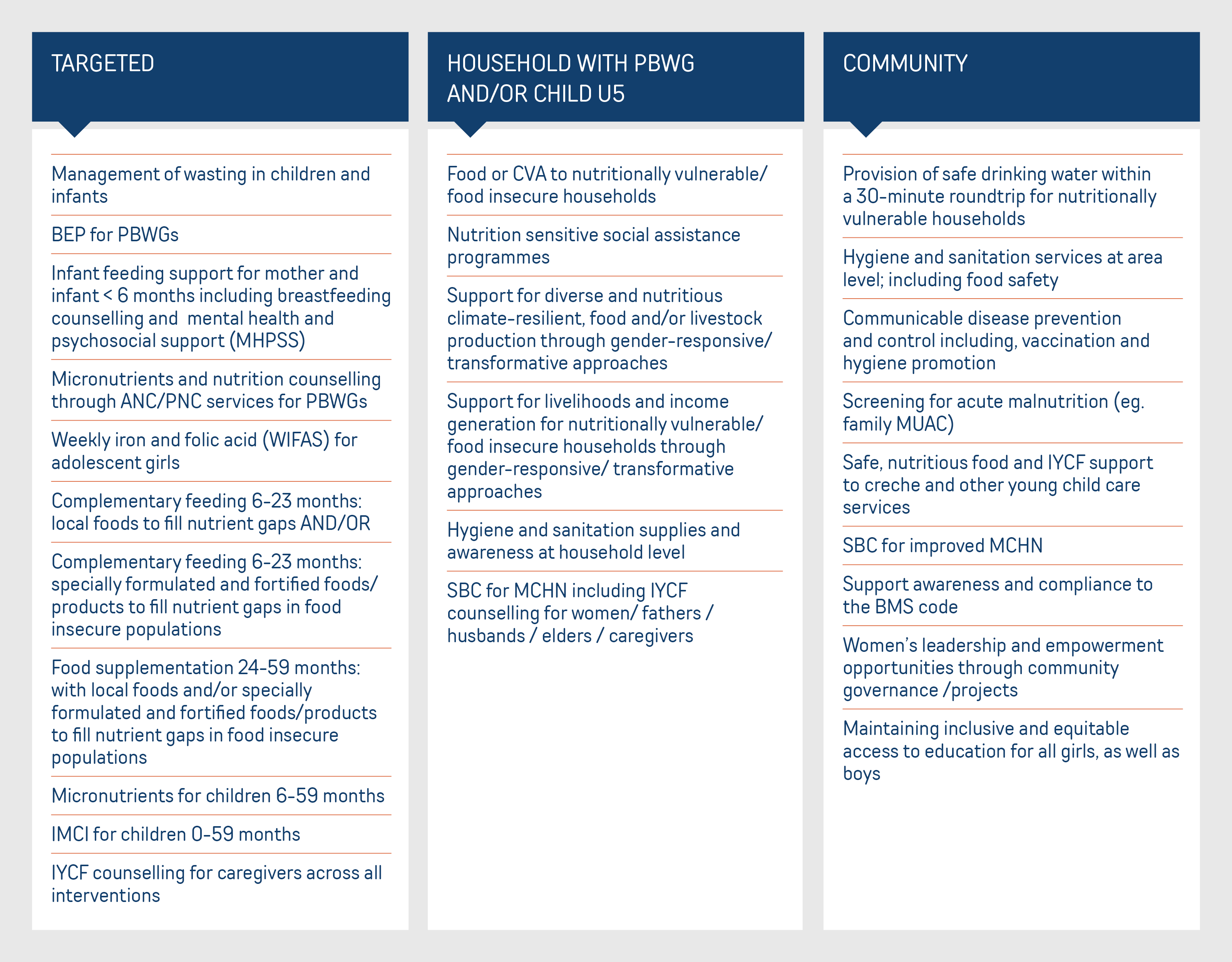
Figure 3: Response design options by level of intervention
The response design options (Figure 3) are organised by:
- Level of intervention
- targeted
- pregnant women and adolescent girls
- mother and infant < six months
- child 6–23 months / 23–59 months
- households with PBWGs and/or children under five years
- community.
- targeted
- Sector/ Intervention – The options for interventions/ actions under each level of intervention.
- The modalities, conditions and considerations for each intervention includes a brief overview where relevant for:
- modalities/actions for each intervention
- considerations for design and delivery
- conditions for success (what is needed to ensure action can be effective).
- Technical guidance and resources for each intervention/action can also be found in this guide.
The response options listed cover the main interventions to address the common multi–sectoral drivers of undernutrition in humanitarian and food insecure contexts. Prioritising which interventions to include in a multisectoral response for the prevention of undernutrition will be informed by technical analysis presented to the decision–making bodies leading response coordination and governance, such as national government leads and/or sector clusters, and should be based on rigorous analysis of the data available at country or sub–national level. This will be derived from a thorough understanding of the context, the most relevant, local causes of undernutrition and needs (see Step 1). This will identify:
- Population groups most affected: includes the geographic locations with highest levels of food insecurity and malnutrition as well as the groups within each location that are most at risk. This may include different livelihood groups, marginalised groups and/or population groups such as young children.
- Main drivers of undernutrition and the needs by sector/intervention: understanding the most important contributing factors along the pathways to undernutrition in the particular context (see Figure 1) will indicate the actions needed across multiple sectors.
- The services and interventions that are missing or need strengthening by sector: a gap analysis of existing services and programmes will identify which of the actions needed by sector are already being delivered at adequate quality and coverage and which require intervention and support.
- The feasibility of different intervention modalities and platforms for delivery: the context will also inform decisions on suitable modalities and platforms for delivery of interventions. Wherever feasible, the focus should be on how to integrate packages of support into existing systems and infrastructure where these are functioning, eg, health systems contact points such as IYCF and ANC services, social protection and WASH systems and market and agricultural systems for the supply of appropriate foods. Consideration of scaling up for an emergency response, while being able to scale down with minimal disruption to established systems is also important. Many of these considerations are briefly summarised under the linked text for each intervention in the response options table.
There may be other considerations that play an important role in prioritising interventions for a response including the resources available to governments and non–governmental agencies for implementation.
It is important that the package selected includes linked activities at all 3 levels – individual/targeted, household and community (see section on target populations) and that action spans multiple sectors.
The process of response design is summarised in Figure 2.
Response design across different contexts is also illustrated in the linked case studies.
References
25 Sadler K, Walters T, Brown R, Cherotich L, Abi Akar R. (2024) ‘Multisectoral prevention of undernutrition for food insecure contexts: An evidence synthesis’. Elrha: London. Elrha_Prevention-of-Undernutrition_Evidence-Synthesis_Final-082025.pdf